Between Shore and Code

Updated: May 11
Los Angeles is organized by projection. Images do not represent space; they produce it. Light settles, narratives overwrite, and futures are rehearsed on unstable ground. Along the coastline the city’s condition becomes visible. The shore is never fixed. It is continuously renegotiated.
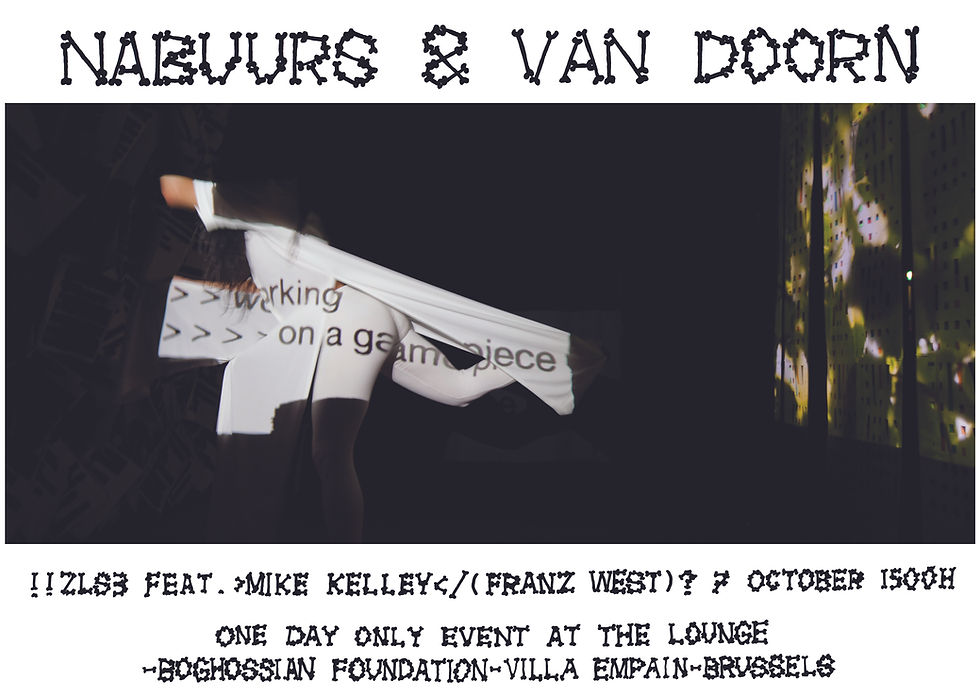
Our practice operates between two methods. One fragments language, projecting digitized words into our studio where they appear briefly, then dissolve. The other maps the city through our color-coded system, activated by performances. Both converge in Los Angeles under shared pressure.
A new chapter of Living Atlas unfolds along the coast. Conceptual photographs with digital color overlays mark the temporality of the shoreline. They offer neither orientation nor claim territory. They form an incomplete system, resisting resolution, tracing a coastline under strain from rising water, restricted access, and constant redevelopment.

At the same time, Greyzones returns as photographed digital light interventions. Phrases are projected onto kitchen, bathroom, and studio surfaces. Space interrupts them. Objects and tools deform them. Language reveals its own fragility once it enters our domain.
Both methods work with light as a medium. One uses light as broken language, temporal and unstable. The other organizes light as broken color, distributed across the shore. Projection unfolds in time; color holds space.
Light operates differently at the edge of the city and at the edge of our projections. Along the shore, color persists, fixed to coordinates, stretched across access points, holding space against erosion and regulation. In the studio, light fails more quickly. Projected language bends over furniture, tiles, and beams, fractures on uneven surfaces, and disappears. Between these two conditions—one exposed, one enclosed—the work moves back and forth, sustaining a tension that never settles.

Comments